Greensboro sits in a humid subtropical pocket of North Carolina where summers run warm and occasionally parched, winters bounce between frost and mild thaws, and thunderstorms can dump an inch of rain one week then vanish for two. That rhythm asks a lot of a yard. You need planting plans that can handle heat spells, clay soil, sudden downpours, and a couple of freeze-thaw cycles without turning into a maintenance headache. Xeriscaping, done the Piedmont way, answers that.
Xeriscaping is not rocks and cactus only. It is water-wise landscaping that balances drought tolerance with seasonal color and comfortable outdoor spaces. In Greensboro, well-executed xeriscapes use deep-rooted perennials, regionally adapted shrubs, smart irrigation, and soil that drains, all while keeping the look soft and lived-in. If you want landscaping in Greensboro NC that stays attractive through July’s stickiness and August’s dryness, the principles below will put you ahead.
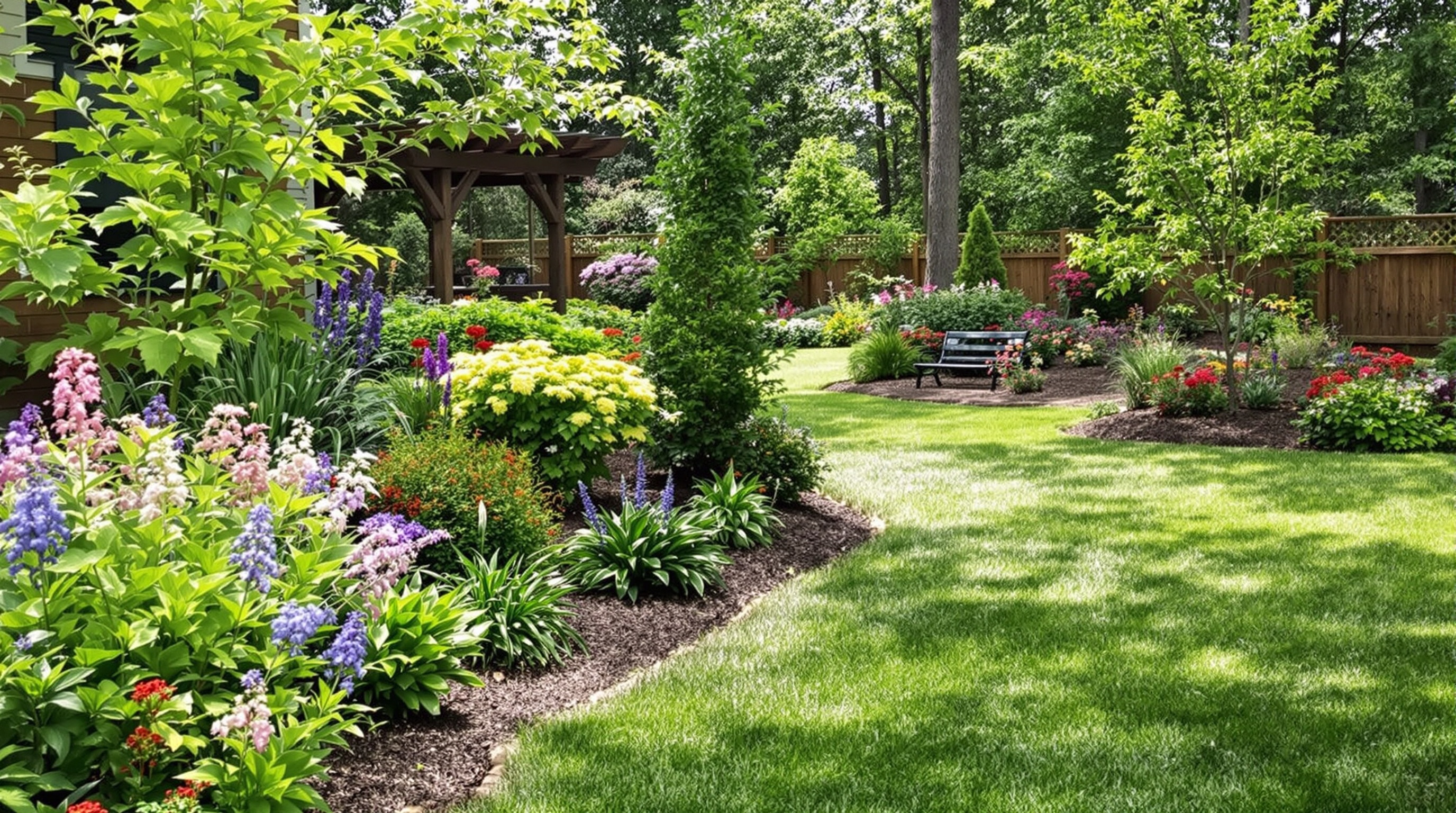
Why xeriscaping suits Greensboro’s climate and soils
Greensboro averages roughly 40 to 45 inches of rain a year, but it does not fall evenly. June through September can swing from soggy stretches to dry snaps, and the red clay subsoil typical across Guilford County holds water when you do not want it and sheds it when roots need it most. Roots suffocate in a heavy summer storm, then plants flag a week later as the top few inches bake.
Xeriscaping addresses that problem with a mix of soil preparation, plant selection, and layout. The goal is a landscape that slows and infiltrates stormwater into amended planting zones and mulched basins, then holds that moisture for a while without turning roots muddy. It also means grouping plants by water needs, which reduces hose time in August and keeps beds healthy. I have seen three side-by-side front yards on the same Greensboro cul-de-sac tell the story: the lawn-only yard browns out by late July, the mixed bed with thirsty annuals spends the summer on life support, and the xeriscaped yard cruises with a few targeted soaks, no stress.
Start with the site, not the plants
Walk the property after a soaking storm and again after two dry weeks. Note where water collects near downspouts, how long it lingers, where the sun roasts from 11 a.m. to 4 p.m., and which areas stay shaded by oaks or pines. In Greensboro’s older neighborhoods like Sunset Hills and Starmount, mature canopy plays a huge role. You might find a sunny strip along the driveway that cooks, a shady east foundation that holds moisture, and a back corner that drains poorly. Put these observations on a simple sketch and keep it handy. The best landscaping comes from matching plants and hardscape to these microclimates.
I also like to take a trowel to several spots. If you dig six inches and see orange-red clay that balls tightly in your hand, that zone will need better drainage before most drought-tolerant plants can thrive. If you hit coarse fill or construction rubble near the builder’s backfill line, plan for raised beds or deeper soil prep.
Soil prep the Piedmont way
Clay is not your enemy. Unamended clay resists water and compaction, but with organic matter it turns into a moisture bank. The trick is to amend strategically.
For new beds, spread two to three inches of compost across the planting zone and work it into the top 8 to 10 inches. Coarse compost works best in Greensboro’s clay because it creates larger pore spaces and resists collapsing. Skip the sand. Mixing sand into clay tends to make concrete, not loam, unless you add it in absurd volumes. If drainage is still tight, add a bag or two of expanded shale per 100 square feet. Expanded shale is a fired, porous aggregate that keeps channels open in clay. It is not cheap, but it lasts, and I have rescued more than one soggy side yard with it.
In places that pond after heavy rain, create shallow swales or a dry creek bed that tilts toward a planting basin with deep-rooted perennials. That micro-topography redirects the storm surge and gives it a place to soak.
A final detail that distinguishes the best landscaping in Greensboro NC from the rest is air space protection. Do not till the soil beyond what you need for planting. Excessive tilling breaks soil structure. Once beds are in, traffic should be minimal, and mulch should shoulder the burden of keeping moisture in and weeds down.
Water-wise design that does not look stingy
Xeriscaping works when it is planned like a good floor plan. You want logical zones with different water expectations. Bedrooms do not need a commercial-grade HVAC system, and low-water beds do not need weekly irrigation. Structure the yard into high, moderate, and low water zones, with practical considerations in mind.
High-water zones belong near spigots or downspouts where water is easy to apply or already abundant. Maybe that is the small bed by the front walk with seasonal color, or the vegetable patch tucked near the kitchen. Moderate zones include mixed borders with shrubs and perennials that get a deep soak every 10 to 14 days in summer. Low water zones are farther from the house, often sunnier, and rely on rainfall plus an occasional rescue soak during prolonged drought.
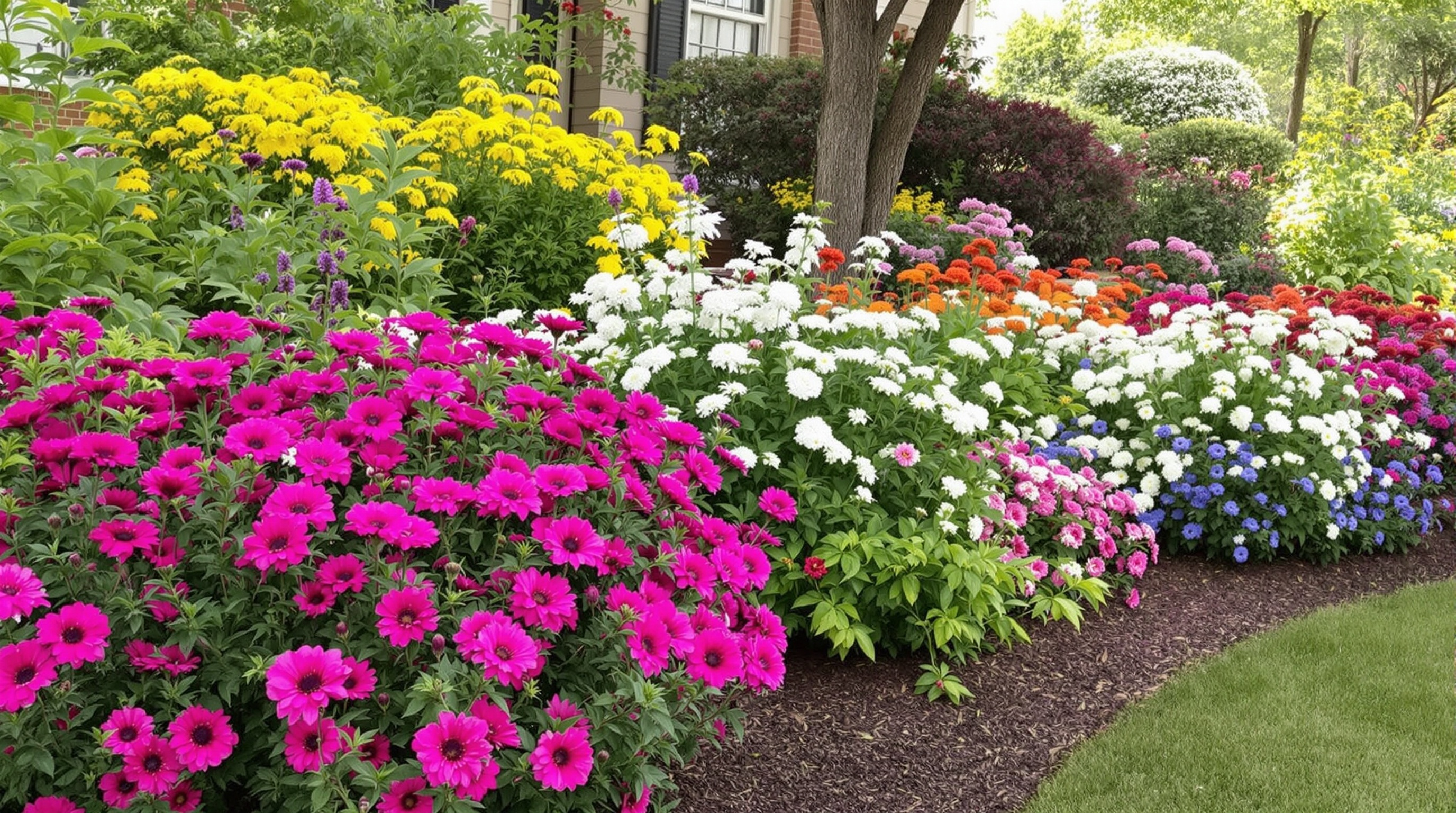
Paths and patios quietly support the water plan. A permeable walkway of compacted fines with flagstone, or a gravel shoulder along the drive, lets rainfall sink rather than run to the curb. I favor 3/8 inch to 1/2 inch angular gravel that locks into place and drains well. If you border it with steel edging and stabilize high-traffic sections with a honeycomb grid beneath, it stays tidy for years.
Greensboro-friendly plants that earn their keep
Plant choice is where xeriscaping either sings or looks like a roadside median. The Piedmont gives you a generous palette of natives and adapted ornamentals that read like a garden, not a xeric experiment.
- Core drought-resilient perennials and grasses Little bluestem, switchgrass, and splitbeard bluestem bring movement and hold color into winter. Plant them in sun with at least 6 hours of light. Black-eyed Susan, lanceleaf coreopsis, and narrowleaf mountain mint pull pollinators from May through September and do not flinch in heat. Baptisia and false indigo hybridize well and form deep roots that shrug off August. They ask for space, then reward you for years. Yarrow, agastache, and salvias like ‘Henry Duelberg’ thrive with lean irrigation and bloom generously if you deadhead lightly. Bearded iris take full sun and summer dryness. Divide every 3 to 4 years to keep fans vigorous. Shrubs and small trees that handle feast-or-famine rain Virginia sweetspire tolerates wet feet in winter and dry spells in summer, a handy shrub for downspout basins with fall color. Oakleaf hydrangea manages clay and partial shade. It is not a desert plant, but once established it rides out short droughts with mulching. Wax myrtle and inkberry holly offer evergreen structure without fuss. Inkberry ‘Shamrock’ stays compact. Vitex, in full sun, is a bee magnet. Give it space and prune after bloom to encourage structure. Redbud and serviceberry serve as small canopy trees with spring bloom and modest water needs once established.
If you lean ornamental, compact crape myrtles and hardy lavender cultivars can fit, though lavender wants sharper drainage than our clay offers. Place it on a slight berm with gritty soil. For a softer native look, mix asters and goldenrods into late summer beds. They feed migrating pollinators when many yards go quiet.
Greensboro lawns, if you keep one, might shift to a smaller footprint of fescue in part shade or a zoysia patch in full sun. Both benefit from a clean edge and a clear mission. You do not need to water an entire parcel when a tidy 600 square foot lawn area scratches the itch for open green.
Mulch that works with heat and storms
Mulch does three things here: moderates soil temperature, slows evaporation, and buffers against pounding rain. A two to three inch layer of shredded hardwood or pine needles is standard. Pine needles excel around acid-loving shrubs and on slopes, where they knit together and resist washouts. Hardwood holds nicely in beds with perennials. Avoid piling mulch against stems or trunks. I keep a hand trowel nearby and pull it back to leave a small donut of air at the base of each plant.
In beds along roof drip lines, use a blend strategy: decorative stone in the immediate splash zone, then organic mulch beyond. That small detail prevents cratered mulch and muddy backsplash while keeping soil biology healthy in the root zone. I have redone more than one front foundation where the homeowner fought splash erosion for years. Two feet of river rock along the edge, lined with a breathable fabric and edged cleanly, solved it.
Irrigation, but smarter and simpler
Drip irrigation suits xeriscaping. In Greensboro, a loop of 17 mm dripline with 0.6 gallon per hour emitters spaced 18 inches apart works for most shrub and perennial beds. Anchor it under mulch, run it in rings around larger shrubs, and feed it from a simple timer with a rain sensor. The aim is a deep soak, less often. A great rule is to water newly planted beds twice a week for the first two to three weeks, then once a week for the rest of the first season, adjusting for rainfall. By the second season, you can taper to as-needed based on soil moisture, not the calendar.
Spray heads still have a place for a small lawn, but make them efficient. Use matched-precipitation nozzles, check coverage, and orient heads so they do not mist the sidewalk. Greensboro’s summer winds can be just enough to drift fine spray and waste water.
A cheap soil probe saves guessing. Push it in six inches; if it slides easily and comes out cool and slightly damp, skip watering. If it hits resistance by the second inch and comes out dusty, it is time for a thorough soak.
Planting and establishment: where success is decided
I see two mistakes repeatedly: planting into tight clay without amending the whole zone, and shallow watering that encourages surface roots. Here is the rhythm that works.
- Dig a planting area wider than the container, not deeper. In clay, I go 2 to 3 times the root ball width and barely deeper than the root ball height so the crown sits slightly proud. Score circling roots on container plants. Three vertical slices along the sides with a utility knife encourage roots to move outward. Backfill with the native soil you amended across the bed, not a pocket of fluffy mix just around the plant, which creates a bathtub. Water in thoroughly to settle the soil. Top with mulch, keeping that small air gap at the stem. For the first summer, water deeply, then let the top 2 to 3 inches dry before the next soak. Plants learn to chase moisture down.
If you plant in fall, which I recommend in Greensboro, roots have cool months to explore before heat arrives. I have planted the same mix of perennials in May and in October; the fall-planted ones often need half the water the next summer and look fuller by June.
Seasonal care that respects the xeric plan
Pruning and cleanup need a light hand. Leave ornamental grasses and many Top Landscaping Company Greensboro NC perennials standing through winter for structure and wildlife. Cut grasses back in late February before new growth emerges, and shear perennials like salvia and yarrow as buds push in spring. Avoid heavy fertilization. Most drought-resilient plants prefer poor to average soils. A light top-dress of compost in early spring is plenty.
Weeds test every bed. Mulch handles most of that, but I also recommend edging once or twice a year with a flat spade to keep lawn rhizomes out of beds. If Bermuda sneaks in, do not ignore it. Trace it to the source and remove the runner. Herbicides can work, but careful hand removal saves you collateral damage in mixed plantings.
During droughts, prioritize soaks for new plantings, trees, and shrubs. Established perennials will flag then rebound. If you lose an annual or two in a hot September, that is part of the trade. Xeriscaping asks you to hold your nerve and not rescue every droop. Deep roots form because surface water is scarce.
Making it look like home, not a model garden
A practical Greensboro xeriscape still needs curb appeal. Two design moves make the difference. First, contrast textures: fine leaves against broad leaves, upright grasses beside rounded shrubs, a few evergreen anchors so winter does not feel bare. Second, set a rhythm with repeats. Three clumps of little bluestem along the front bed read as intentional. Scatter too many one-offs and the eye works too hard.
Hardscape ties it together. A simple cedar or powder-coated steel edging creates crisp transitions between gravel and mulch. A 30-inch deep gravel strip along a sunny south-facing wall both drains and sets off the plantings. If you are replacing lawn, break up the space with a low seat wall or a curved path to avoid a big unbroken field of stone or mulch. Even better, mix surfaces. A small patio from locally sourced stone, a run of stepper pavers set in gravel, and a mulched planting island feel lived-in.
Lighting matters with longer summer evenings. Low-voltage path lights on short risers and a couple of up-lights under a crape myrtle or redbud give structure after dark without blasting the beds with heat. LED fixtures sip energy and keep wiring simple.
How Greensboro projects come together: a quick field note
A homeowner off Pisgah Church Road wanted less lawn and lower water bills without giving up color. The front yard faced west, baked from noon to sunset, and the heavy clay ponded near the driveway. We cut a shallow swale directing stormwater to a crescent basin planted with switchgrass, Virginia sweetspire, and blue flag iris along the wettest edge. We raised two sunny berms by 8 to 10 inches with a compost and expanded shale blend, then planted yarrow, agastache, ‘PowWow’ echinacea, and little bluestem. A narrow river rock band under the roof drip line protected the house side of the bed.
A single zone of drip on a smart timer watered twice a week for the first month, then once weekly through August. By the second summer, the timer only kicked on during two three-week dry spells. The owner keeps a compact 500 square foot zoysia rectangle by the porch for their dog, edged neatly against gravel. The yard still blooms from May to October, the water bill dropped noticeably, and maintenance now takes about an hour every other weekend in peak season.
Costs, savings, and trade-offs
Xeriscaping is not always cheaper on day one. Soil work, gravel, and drip components add upfront costs. A realistic range for a front yard conversion in Greensboro, including removal of a small lawn, soil amendment, plants, mulch, some gravel paths, and basic drip, runs from 8 to 18 dollars per square foot depending on access, plant size, and material choices. If you integrate stonework or raised steel planters, costs climb.
Where you gain is in operating costs and resilience. Expect irrigation demand to drop by 40 to 70 percent compared to a traditional lawn-and-annuals plan once the planting matures. Mowing becomes a small task or disappears. Fertilizer use plummets. You spend time on pruning and seasonal tidying, not weekly rescues. During the odd Greensboro drought year, you will still water, but you will water intelligently, and the landscape will rebound quickly.
The trade-offs are aesthetic and behavioral. If you want a uniform emerald lawn through August without supplemental water, Greensboro will fight you. If you prefer a garden that changes with the seasons, shows movement in the wind, and invites bees and butterflies, xeriscaping rewards you.
Permits, HOA realities, and neighbors
Most xeriscape installations do not require permits, but always check if you are altering drainage near property lines. If you are in an HOA, submit a clear plan with plant lists and sketches. Use photos of similar finished projects to show that xeriscaping can be tidy and lush. Keep a defined edge to every surface. Many objections melt away when neighbors see a neat gravel border, a clipped inkberry, and a rhythm of repeating grasses.
If you are near a public sidewalk, choose plants that will not flop into pedestrian space in late summer. Taller grasses can be set back behind lower perennials to maintain sightlines and keep the city happy.
A simple path to get started
- Walk the site and map sun, shade, and drainage. Note utility lines and spigots. Choose one zone to convert, not the whole yard. Front foundation beds or sunny side strips make good pilots. Prep soil across the entire planting zone, not just holes. Add compost and, if needed, expanded shale for clay. Install a basic drip loop and test coverage before planting. Plant hardy perennials and shrubs in groups of three or five for impact, mulch, and set a watering schedule for establishment.
Where to lean on pros
DIY is satisfying, but there is value in calling a crew that focuses on landscaping in Greensboro NC. A local team brings familiarity with our soils, knows which nurseries grow plants adapted to the Piedmont, and understands seasonal timing. If you want the best landscaping in Greensboro NC for a high-visibility front yard or a complicated slope, a designer can shape the grading and hardscape so water moves where it should and the space feels cohesive. For irrigation, even a simple drip system benefits from a clean manifold, pressure regulation, and a tidy layout under mulch. That is a half-day for a crew and often a week of frustration for a first-timer.
When you interview companies, ask to see a recent xeriscape project after a summer. You want to hear how the planting matured, what needed replacing, and how the irrigation schedule changed over time. Good firms will share both wins and lessons learned.
Greensboro-specific plant notes and small pitfalls
A few local quirks deserve mention. Deer pressure varies by neighborhood. In parts of northern Greensboro near more wooded corridors, deer browse can surprise you. Mountain mint, baptisia, most ornamental grasses, and inkberry hold up well, while daylilies, hostas, and some hydrangeas are candy. Japanese beetles rise in early summer and love roses. If roses are a must, choose tough shrub types and site them where you can hand-pick beetles in the morning.
Clay pans sit beneath some lots where topsoil was scraped during construction. If water perches there, roots will too. In that case, commit to raised beds or invest in a few hours of subsoiling with a fork before you plant. You only need to break the pan in channels to give water a path.
Do not overplant the first year. Xeric plants often double or triple in size by year two. A bed that looks sparse in spring can feel lush by fall. Leave breathing room and resist stuffing in fillers that you will remove later.
Bringing it all together
A well-planned xeriscape in Greensboro is not an austerity garden. It is a responsive, regionally tuned landscape that rides through heat waves, welcomes thunderstorms, and still invites you outside. Start with the site, trust the soil work, and pick plants that earn their spot through July and August. Use mulch and drip to make water count. Keep edges crisp so the look reads intentional.
Landscaping in Greensboro NC has a personality shaped by clay, summer heat, and a long shoulder season of bloom. When you align with that, maintenance drops, the yard feels calm, and your water bill stops nagging. Whether you hire out or tackle a zone yourself, the framework above will help you build something that looks good now and even better in three years. If you want help refining plant lists or solving a tricky drainage corner, a local landscaping greensboro team can tune the details. The result is a yard that works with the Piedmont, not against it, which is the quiet secret behind the best landscaping in Greensboro NC.